
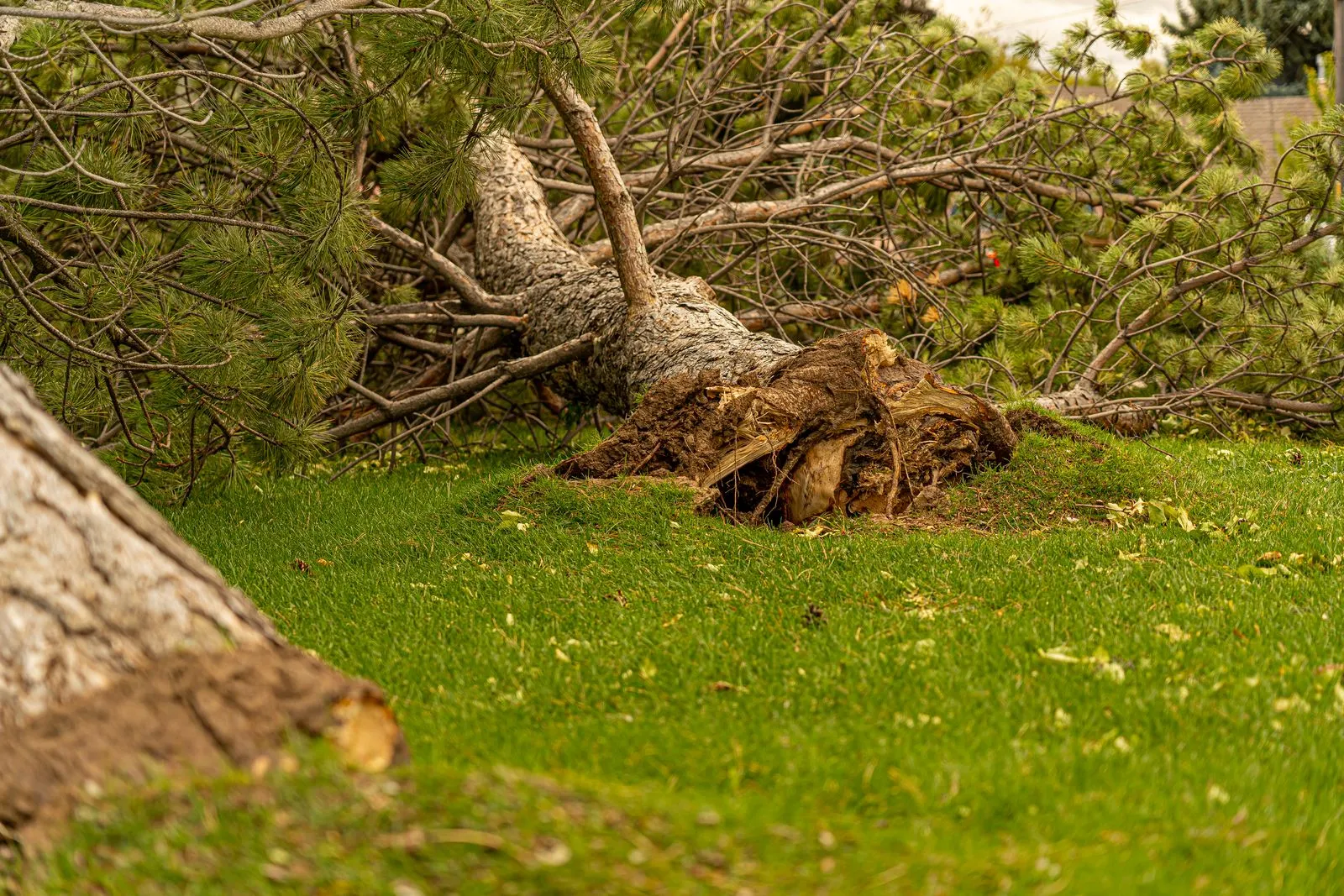
A large tree can become a safety concern when its trunk, branches, or roots can no longer support it reliably. Some warning signs call for a prompt professional assessment, especially when the tree stands near a home, driveway, sidewalk, or power line. No single symptom always means removal is necessary, but visible damage should not be ignored. Learn what to look for, how to respond, and when to keep people away until an expert can inspect the tree.
Look for Major Trunk Cracks
A deep crack that runs through the trunk or a major branch can signal structural weakness. Pay close attention if the split is widening, extends into a branch union, or appears with other signs of decline, such as a hollow area or large section of missing bark. A surface mark may be less serious, but it is difficult to judge its depth from the ground.
If a crack appears after a storm or changes noticeably, keep people and vehicles away from the tree’s fall zone. Do not climb the tree or try to brace or cut it yourself. A qualified tree professional can assess whether pruning, support, or removal is the safest option.
Assess Leaning and Root Damage
A gradual lean can be part of a tree’s normal growth. A sudden lean, freshly lifted soil, exposed roots, or a mound forming on the opposite side may indicate that the root plate is shifting. These signs are especially concerning after saturated soil, strong winds, construction, or nearby digging.
Treat a newly leaning tree as urgent, particularly if it is near a building, road, or overhead utility line. Keep clear and contact a tree professional for guidance. If the tree is touching or threatening power lines, stay away and contact the utility company rather than approaching it.
Check for Dead or Broken Limbs
Dead branches may have no leaves during the growing season, brittle or missing bark, or smaller twigs that snap easily. Large dead limbs can fall without warning, even when the rest of the tree appears healthy. Look for hanging branches, broken limbs caught in the canopy, and branches extending over places people regularly use.
Avoid standing beneath a damaged canopy or attempting to remove high branches with a ladder or saw. A professional can identify which limbs pose a hazard and whether selective pruning can address the risk. If the trunk or several major limbs are also compromised, removal may be the safer long-term choice.
Choose a Safe Next Step
Consider the full picture rather than one symptom alone. The tree’s condition, the size and location of defects, recent changes, and what lies within its fall zone all matter. A certified or otherwise qualified tree professional can inspect the tree and explain whether it can be managed or should be removed.
Until it is assessed, keep children, pets, and visitors away from areas beneath the tree and avoid parking nearby. For an urgent hazard, request an inspection promptly. Steel City Tree Removal serves Pittsburgh-area property owners; ask a tree professional to evaluate the specific conditions on your property.
Major trunk cracks, a sudden lean, dead limbs, and disturbed roots deserve attention—especially when people or structures are nearby. Keep clear of suspected hazards and get a professional assessment before deciding whether removal is needed. If you have concerns about a large tree on your property, contact a qualified local tree service to discuss an inspection.